Sod vs. Seed in the Carolina Heat: Which Gives You a Lawn That Lasts?
QUICK ANSWER: In the Triangle, sod gives you a finished lawn right away and handles heavy rain and bare slopes better, while seed lets you choose from more grass varieties and asks more patience and daily watering from you. Neither one lasts if the soil underneath is compacted red clay with poor drainage. Seed works best for tall fescue planted in early fall, when the heat has broken and the ground is still warm. Sod works best when you need instant cover, have erosion to control, or want a warm season grass like bermuda or zoysia started in late spring. The right choice depends on your grass type, your timing, your slope, and how much work you want to do over the first two months.
It is the first week of July in Garner, and the back lawn looks like a map of everything that went wrong. There is a bare patch near the downspout where the last storm carved a little channel. There is a thin, yellowing stretch along the fence where the builder's topsoil ran out and the clay shows through. The kids have worn a path to the swing set, and the weeds are happier than the grass. You stand at the back door with a cup of coffee and a decision to make. Do you roll out new sod, or do you spread seed and wait?
Every homeowner in Raleigh, Cary, Apex, and the towns around them runs into this choice, and the internet is full of confident answers that ignore where we actually live. Our soil is red clay. Our summers are hot and humid. Our storms arrive hard and fast, and our winters can freeze the ground more than once. A lawn plan that ignores any of that will fail no matter how good the grass product is.
This guide walks through how sod and seed each behave in our conditions, where each one shines, and where each one lets you down. We install and repair lawns across the Triangle, and the same lessons repeat from yard to yard.
Start With the Grass, Not the Method
Before you compare sod and seed, you need to know which grass you are growing, because the Triangle sits in what turf experts call the transition zone. That means we are too hot for some grasses and too cold for others, and no single variety is perfect.
Tall Fescue
Tall fescue is a common cool season grass that stays green much of the year, tolerates shade, and provides a soft, full lawn.
Bermuda Grass
Bermuda grass thrives in full sun and heat. It spreads quickly, recovers from wear, and looks excellent during summer but becomes dormant after frost.
Zoysia
Zoysia is a warm season grass forming a dense, carpet like lawn. It handles some shade better than bermuda but becomes brown during winter.
Centipede And Others
Centipede grass appears in some neighborhoods but is less common in heavier clay soils. It can be fussier about soil conditions and maintenance.
Why does this matter for the sod versus seed question? Because the two methods are not equally available for every grass. Tall fescue is widely sold both as sod and as seed. Bermuda and zoysia are commonly installed as sod or sprigs and plugs, and some bermuda varieties can be seeded, but results from seed are usually slower and less uniform. So your grass choice narrows your options before you even think about the installation method.
How Seed Behaves in a Triangle Yard
Seed is the traditional way to start a lawn, and in the right season it is a very good one.
What Seed Does Well
Seed offers many fescue blends and establishes roots directly in your soil. It requires less heavy lifting than sod, making it practical for large open areas and oddly shaped yards without carrying rolls or aligning seams.
Where Seed Struggles Here
Seed is slow to establish and remains exposed on bare clay for weeks. Heavy thunderstorms can wash it away, while dry clay crusts over. Saturated soil, birds, and weeds can create additional problems during establishment.
Timing Is Everything
Fescue seed performs best when planted in early fall, roughly September through October. Warm soil supports germination, shorter days reduce stress, and cooler conditions give young plants time to develop roots before summer.
The Watering Commitment
Seed requires consistently moist surface soil until germination, usually one to two weeks. Afterward, seedlings need steady care, sometimes including light watering several times daily, which can become difficult with busy schedules or travel.
How Sod Behaves in a Triangle Yard
Sod is grass that has already been grown, cut into strips, and delivered ready to lay. You are buying a lawn with roots and a growing surface already in place.
What Sod Does Well
Sod provides immediate lawn coverage, making it useful before selling, hosting events, or covering bare ground. It also protects soil from erosion quickly, making it practical for slopes, drainage paths, and areas near downspouts.
Where Sod Struggles Here
Sod cannot overcome poorly prepared clay. Compacted soil restricts root growth, leaving grass shallow and fragile. Dry edges, visible seams, and peeling pieces can develop when roots struggle to establish beneath the sod.
Timing And Heat
Sod offers more flexible installation timing than seed, but summer installations require significantly more watering. Warm season bermuda and zoysia perform best from late spring through early summer, while fescue generally performs best when installed during fall.
Freshness Matters
Sod is living grass and should ideally be installed the day it is harvested. Avoid leaving pallets sitting in direct sunlight. Fresh delivery and properly prepared soil greatly improve establishment and rooting success.
Head to Head: How They Compare in Our Conditions
Looking at the two methods side by side helps clarify who each one suits.
Speed
Sod provides usable lawn coverage within weeks once roots begin gripping. Seed takes longer to fill gaps and may require overseeding before achieving a thick, established appearance.
Erosion Control
Sod offers stronger immediate erosion protection, especially during stormy seasons. Seeded slopes can wash out before establishment, potentially requiring repeated seeding and additional effort afterward.
Variety Choice
Seed provides greater variety, particularly among fescue blends selected for different conditions. Options can target sun exposure, shade tolerance, drought resistance, and specific lawn preferences.
Upfront Effort Versus Ongoing Attention
Seed requires less physical installation work but demands frequent monitoring and watering. Sod requires more preparation and installation effort initially, followed by similar watering needs during establishment.
Weed Pressure
Sod typically experiences fewer early weeds because the soil surface is already covered. Seed leaves exposed ground, giving existing and airborne weed seeds opportunities to establish.
Root Depth And Long Term Toughness
Both methods can produce healthy lawns when soil is prepared properly. Seeded lawns root directly into your soil, while sod depends on preparation for deeper root development.
The Soil Work Nobody Wants to Skip but Everyone Does
If we could change one thing about how lawns get started in the Triangle, it would be this: do the ground work first. We have seen lovely sod laid over hard clay fail in a single summer, and we have seen carefully chosen seed rot in a puddle that nobody addressed.
Loosen The Clay
Red clay compacts easily, especially after construction. Loosen the top several inches and add organic material so roots, water, and air move downward.
Check The Grade
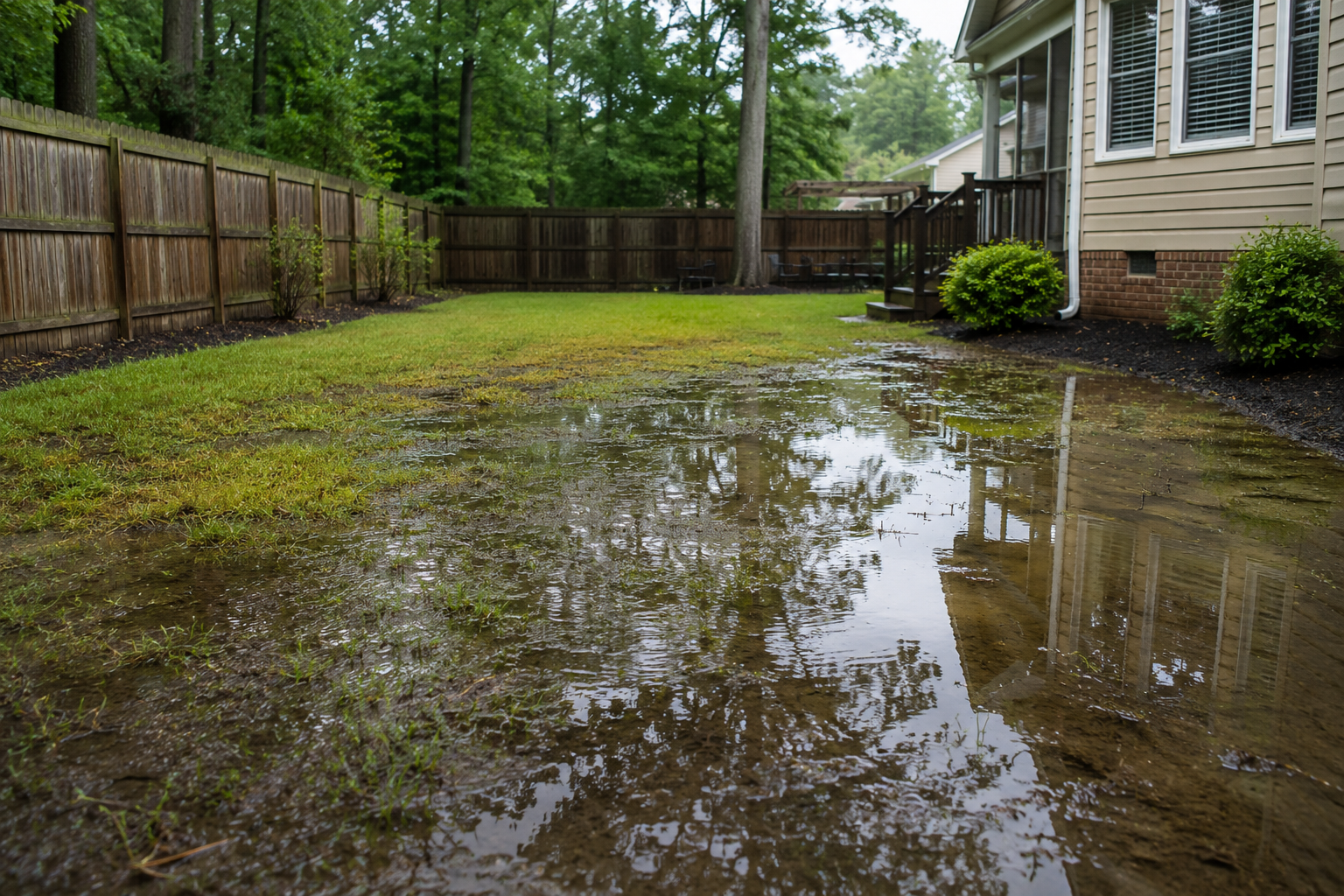
Walk the yard during or after heavy rain. Identify pooling and rushing water, then correct grading problems before installing either sod or seed.
Test The Soil
Clay soils often become acidic and lack nutrients. A soil test shows what your lawn needs, preventing unnecessary products and guesswork.
Remove The Debris
Remove buried construction waste, rocks, and stubborn roots from the upper soil layer. Clearing debris gives roots space and prevents uneven areas later.
Think About The Surface
Create a smooth, firm, even surface before planting. Bumps, hollows, and loose fill can settle into low spots that collect water.
If you invest in this preparation, either sod or seed has a good chance of succeeding. If you skip it, neither one will keep its promise.
When Seed Is the Better Call
Seed makes the most sense in a handful of situations.
Early Fall Fescue Planting
Early fall is ideal for tall fescue, allowing seed to establish under favorable seasonal conditions.
Large, Level Areas
Large, level areas are easier to seed evenly and less vulnerable to runoff losses.
Reliable Watering Available
Consistent watering keeps seedbeds evenly moist, making germination more predictable when schedules or irrigation are reliable.
Overseeding Existing Lawn
Fall overseeding helps thin fescue lawns fill gaps without removing the entire existing lawn.
Specific Blend Needed
Seed provides greater control when selecting blends suited for shade, drought stress, or heavy traffic.
When Sod Is the Better Call
Sod becomes the stronger option in these situations.
Slope Or Runoff Path
Instant sod coverage keeps soil in place during storms, reducing erosion and runoff damage.
Finished Look Quickly
Sod provides a finished appearance quickly, making it ideal for home sales, landscapes, or events.
Warm Season Grass
Bermuda and zoysia are commonly established from sod, making installation straightforward for residential lawns.
Wrong Seed Planting Window
When late spring or summer planting is necessary, sod offers a more workable establishment option.
Long Running Weed Problems
Sod covers exposed soil immediately, leaving fewer open spaces where weeds can establish and spread.
A Simple Way to Decide
If you are standing in your yard unsure which way to go, ask yourself four questions.
First, what grass do I want, and when is its planting window? Fescue points to fall. Bermuda and zoysia point to late spring and early summer.
Second, how does water move across my yard? If it runs hard across the surface, sod protects the soil better.
Third, how quickly do I need the yard to look finished? If the answer is now, sod fits.
Fourth, can I give the new lawn consistent attention for the first several weeks? If not, either method will disappoint you, and it may be worth getting help with installation and care.
Frequently Asked Questions
Can I lay sod over my existing lawn or weeds?
No. Sod needs direct contact with prepared soil so roots can grow down. Laying it over old grass or weeds leaves air gaps that block anchoring, and the sod often dies. Remove existing growth first.
Is it okay to install sod in the middle of a Triangle summer?
It can be done, and warm season grasses prefer the heat, but watering demand is high. Fresh sod can dry out in one hot afternoon, so it needs frequent watering for two weeks. Fescue sod prefers fall.
When is the best time to seed a fescue lawn in Garner and Raleigh?
Early fall is generally best, roughly September into October, when soil is warm and air temperatures are easing. Seed planted then has the whole cool season to build roots before the next summer arrives.
How long before I can walk on a new sod lawn?
Light foot traffic is usually fine once sod begins rooting, often around two weeks. Heavy use and pets should wait until a gentle tug meets resistance. Seeded lawns need longer because seedlings are tender and fill in slowly.
Will sod or seed handle our heavy rain better?
Sod does, especially on slopes, because the grass cover holds soil right away. Seed can wash out before it establishes. Protecting seeded areas with straw and fixing drainage beforehand helps considerably in stormy weather.
Do I need to fix drainage before planting either one?
Yes. Standing water and heavy runoff damage new lawns of every kind. If your yard stays soggy or channels water during storms, correct the grade or add drainage before the grass goes in.
Why does my new lawn look patchy even though I followed the instructions?
Patchiness usually traces back to compacted clay, uneven watering, shade, or drainage rather than the grass itself. Checking soil loosening, grade, and sunlight patterns usually reveals the real cause behind the thin spots.
Plant Smart and Enjoy a Lawn That Lasts
Sod and seed are both good tools, and neither one is magic. The lawns that last across the Triangle are planted with the right grass, at the right time, into soil that was loosened, graded, and tested before anything went down. After that, steady watering during establishment and sensible mowing and feeding carry the lawn through the heat, the storms, and the occasional freeze. Preparation, more than product choice, decides whether a new lawn thrives or struggles.
Greenchest Landscape LLC
has spent 10+ years working with yards in Raleigh, NC, and the pattern holds from property to property: the lawns that hold up were started with patience. Choose the grass that fits your sun and shade, pick the planting window that fits that grass, and give the clay underneath some attention first. Do those three things, and either sod or seed can give you a lawn you enjoy walking across for years.